Bi-fold servery
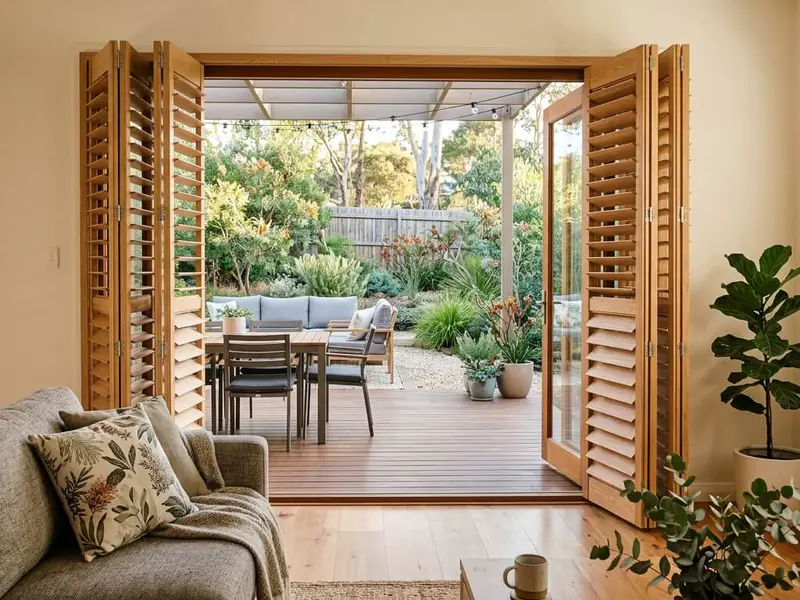
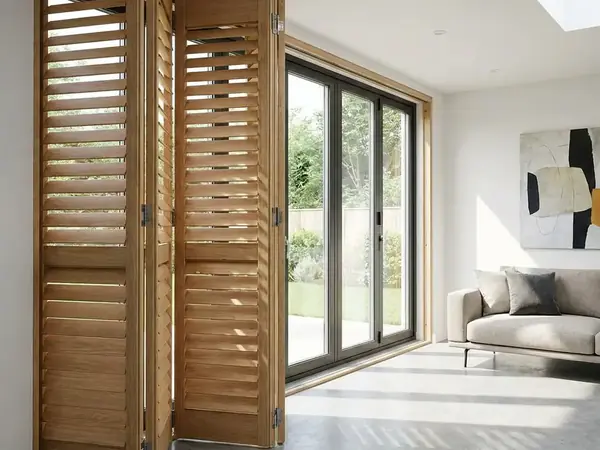
Panels concertina back against the jamb so the whole servery clears in one movement. The only configuration that makes a servery genuinely usable day to day.
Kitchen windows have to survive splash, steam and cooking grease, and clear the bench when you want the servery open. That rules out most window coverings and points hard at one particular build. Free in-home measure and a fixed price.
Kitchen shutters explained
A kitchen window has two problems no other room has. It gets splashed and steamed from the sink and the cooktop, and it usually sits behind a bench you cannot lean across, which rules out anything you need to reach to operate.
The servery window makes it harder again. A servery only earns its place if opening it is a single easy movement - if it takes unlatching four panels and finding somewhere to put them, you will leave it shut and it becomes a very expensive window. Bi-fold panels that concertina clear in one gesture are what makes a servery actually get used.
Material is decided by what hits the window. Directly over a sink or beside a cooktop, waterproof PVC wipes clean and shrugs off steam and grease in a way a painted timber louvre will not long term. A kitchen window across the room from both can take timber like any other dry opening.
Why shutters in a kitchen
A kitchen is the one room where cleanability decides the product before anything else does.
Cooking grease, steam and splash all end up on the window covering. A rigid louvre wipes clean. A roman blind or a curtain absorbs it and eventually smells like it.
Bi-fold panels stack against the jamb rather than swinging over the sink, so a servery opens in one movement and the bench underneath stays usable.
Waterproof PVC in a sink window takes constant splash without swelling, discolouring or lifting a finish. That is the specific thing that kills painted timber in a kitchen.
Kitchen windows on a typical Coast block look straight at a fence or the house next door. Angled louvres give you privacy and keep the daylight over the sink.
Louvres tilt with the window open behind them, so the kitchen clears steam without opening the room up to the street.
Loose fabric near a gas cooktop is a hazard nobody thinks about until it is one. A fixed panel is not.
Configurations
Which one you want depends on whether the window is a servery, sits over a bench, or is simply a window that happens to be in a kitchen.
Panels concertina back against the jamb so the whole servery clears in one movement. The only configuration that makes a servery genuinely usable day to day.
For a window behind a sink or bench you can never reach. No panel to swing, louvres still tilt through their full range, and it is the most economical option.
For a kitchen window with clear space in front of it. Swing the panels and you can reach the glass and the flyscreen normally.
Where a servery is wide but there is nowhere to stack a bi-fold. Panels pass each other and park to one side without needing folding depth.
Right product, right kitchen window
Distance from the sink and the cooktop decides this, not the look of the rest of the kitchen.
Waterproof PVC. Constant splash and steam is exactly the environment that eventually lifts a painted timber finish, and PVC wipes clean with whatever is already under the sink.
See waterproof PVC shuttersIf the opening gets actual weather rather than just kitchen steam, powder-coated aluminium is the right call, particularly close to the coast.
See aluminium shuttersA window across the room from the sink is just a normal dry opening, and timber is the better-looking answer there.
See timber shuttersHow it works
A free measure, a fixed price and a proper install - so the shutters go in once, sit square, and keep working for decades.
Suburb, shutter type, how many openings and your timeline. 60 seconds online - add a photo and we can quote even sharper.
A shutter specialist comes to you, measures every opening to the millimetre and leaves you with an exact, all-in price. No pressure, no obligation.
Your panels are built to your measurements, then fitted and adjusted on site. Most Sunshine Coast homes are installed 4-6 weeks after measure-up.
Pricing
A plain kitchen window in waterproof PVC runs roughly $350 to $550 per square metre installed, so a single sink window usually lands between $450 and $1,000. A servery is a different proposition - it is a wider opening and it needs a bi-fold or tracked mechanism, which puts most serveries between $1,200 and $3,000.
The mechanism is where the money goes on a servery, and it is not the place to save. A servery you have to fight with is one you stop opening, and at that point you have paid for a window you no longer use.
Book my free measure & quote See what plantation shutters cost
A servery is wide and needs a folding or tracked mechanism. A sink window is small and often fixed. The difference is several times over.
Waterproof PVC over a sink, timber in a dry corner, aluminium if the servery opens to weather.
Where a shutter frame lands relative to the bench and the splashback changes the frame type and sometimes needs a sill added.
Servery windows often have their own winders or awning arms. Working around them cleanly is measure-day work, not install-day surprises.
Reviews
Feedback from Sunshine Coast customers who've had plantation shutters measured, made and installed by us.
“Our west-facing lounge was unusable by three in the afternoon. They did timber shutters across the whole front of the house and it’s a completely different room - cooler, and the light is beautiful.”
“We’re two streets from the beach so they talked us into aluminium for the alfresco and PVC in the bathrooms instead of timber. Two summers on - no swelling, no rust, no fuss.”
“Measured, made and installed exactly when they said. The raked window above the stairs is why we chose them - nobody else wanted to touch it.”
Care
The one room where you will actually clean the shutters regularly, which is exactly why the material choice matters.
On PVC, a damp cloth and a little dish soap handles cooking film and splash. There is no finish to protect and no rule about standing water.
Heavy-duty kitchen degreasers and solvent cleaners dull the surface over time. Warm water and dish soap shifts almost everything.
Crumbs and grit in a bottom track are what makes a servery start to drag. A quick vacuum every few months keeps it moving easily.
Let a bi-fold servery set stack completely rather than forcing the last panel. Forcing is what loosens hinges on a set you operate daily.
FAQ
Yes, and they suit a kitchen better than most alternatives because there is no fabric to absorb steam, splash or cooking grease. Directly over a sink or beside a cooktop we specify waterproof PVC, which wipes clean with a damp cloth. A kitchen window away from both can take timber like any other dry opening.
A bi-fold set. Panels concertina back against the jamb so the whole opening clears in one movement, which is what makes a servery genuinely usable. If a servery takes unlatching several panels and finding somewhere to put them, you will leave it shut - and a servery you never open is an expensive window.
They pick up the same cooking film as everything else in a kitchen, and unlike fabric they wipe straight off. On waterproof PVC a damp cloth and a little dish soap handles it. Avoid heavy-duty degreasers and solvent cleaners, which dull the surface over time.
That is the classic case for a fixed panel with operable louvres in waterproof PVC. You will never reach across the sink to swing a panel open, so there is no reason to pay for hinges, and the louvres still tilt through their full range for light and privacy.
Behind a cooktop we would generally avoid any window covering close to the flame and talk through what the layout actually allows. Shutters are safer than fabric because there is nothing loose to catch, but clearance from a gas burner still needs checking on site rather than assuming.
A single sink window in waterproof PVC typically lands between $450 and $1,000. A servery is a bigger proposition because it is a wider opening needing a bi-fold or tracked mechanism, and most serveries come in between $1,200 and $3,000 installed.
Distance from the sink and cooktop decides it. Within splash range, waterproof PVC every time - constant steam and splash is exactly what eventually lifts a painted timber finish. A window across the room from both is a normal dry opening and timber is the better-looking answer.
Usually yes, but it has to be measured rather than assumed. Servery windows often have awning arms or winders that foul a shutter frame if nobody checks. We look at the hardware at the measure so it is designed around rather than discovered on install day.
Typically four to six weeks, the same as the rest of the range. Servery openings occasionally take a little longer because the panel layout and hardware are worked out to your exact measurements. We confirm the install date at measure-up.
The rest of the range
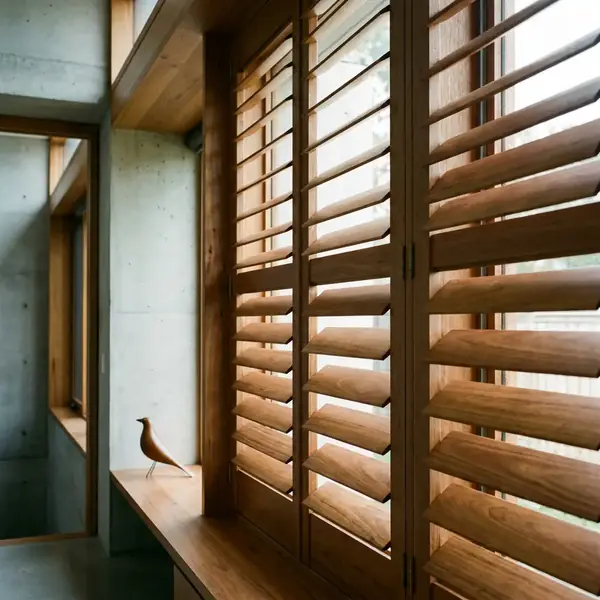
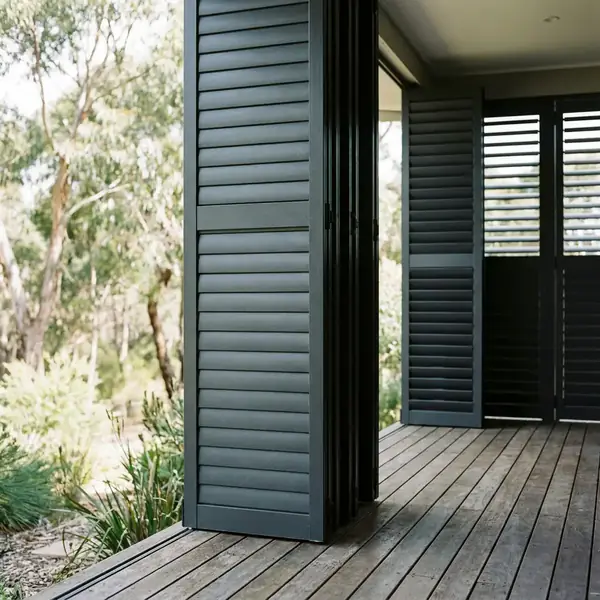
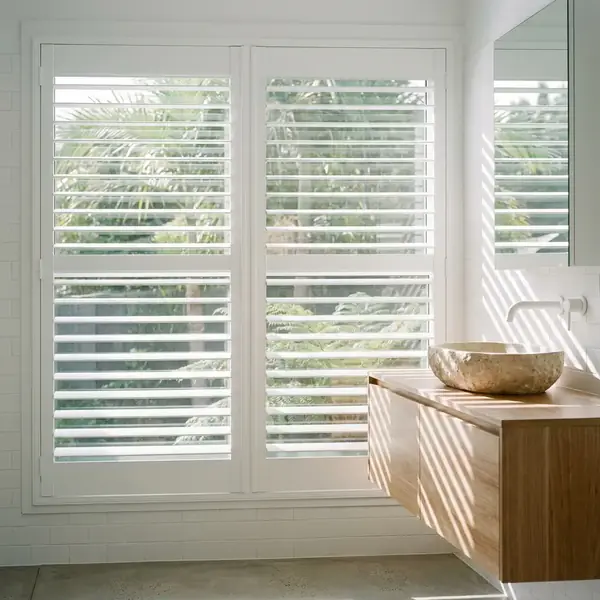
If a room isn't right for one range, another is - and we quote the whole house in a single visit.
Service areas
Local installers covering every suburb from Caloundra to Noosa and out through the hinterland. Tell us what you need and we'll get a shutter specialist out to measure and quote, fast.
MaroochydoreMooloolabaAlexandra HeadlandCotton TreeBuddinaMinyamaWaranaBirtinyaTwin Waters+ all surrounding suburbs
Noosa HeadsNoosavilleSunshine BeachTewantinPeregian BeachCoolum BeachMarcoolaSunrise Beach+ all surrounding suburbs
CaloundraGolden BeachPelican WatersCurrimundiMoffat BeachDicky BeachAroonaLittle Mountain+ all surrounding suburbs
BuderimNambourPalmwoodsMalenyMontvilleWoombyeYandinaEumundiMooloolah Valley+ all surrounding suburbs
If you're anywhere between Caloundra and Noosa we can get an installer to you. See the full service area or get a quote now.
Tell us about your windows and we'll book a free in-home measure and a fixed quote.
Get my free quote